
Cycling and running are powerful ways to stay fit, build endurance, and support overall health. However, because both involve repetitive motion and load on muscles, tendons, and joints, they carry a real risk of overuse injuries. By understanding the common injuries and applying smart training and recovery practices — including regular sports massage — athletes can significantly reduce injury risk and improve long-term performance.
Common Injuries in Cyclists and Runners
For Cyclists
Knee Pain / Patellofemoral Pain Syndrome (PFPS) — Pain around or under the kneecap, often due to improper bike fit or excessive load on the patellofemoral joint. NCBI+2Wikipedia+2
Lower Back Pain — Maintaining a leaned-forward cycling posture for extended periods can strain lower back muscles, especially if core strength and bike ergonomics are suboptimal. (General consensus in sports medicine about load and posture — see below) AMBOSS+1
Achilles Tendinopathy / Tendon Overuse — Incorrect foot positioning on pedals or overuse may irritate the Achilles tendon. Wikipedia+1
Hand/Wrist Numbness or Nerve Compression — Pressure on handlebars over long rides can compress nerves, leading to numbness or tingling (common among cyclists, though less often the focus of clinical studies). (Clinical experience + risk factors for overuse injuries.)
For Runners
Runners often endure high-impact forces and repetitive stress, which can lead to several common issues:
Shin Splints (Medial Tibial Stress Syndrome, MTSS) — Pain along the inner edge of the shinbone due to repeated impact, especially when increasing mileage too fast or running on hard surfaces. Wikipedia+2Wikipedia+2
Plantar Fasciitis — Inflammation of the plantar fascia (the tissue under the foot), often aggravated by abrupt increases in training volume or by worn-out footwear. Sports Events Egypt+1
Iliotibial Band Syndrome (ITBS) / “Runner’s Knee” — Pain on the outside of the knee caused by friction or tension in the iliotibial band. Common in overuse, poor running form, or inadequate hip/leg strength. Wikipedia+2Daniel da Cruz Physiotherapy+2
Achilles Tendinopathy / Tendon Overuse — Repeated stress on the Achilles tendon can lead to inflammation or degeneration, especially when training increases too rapidly or when calf muscles are tight. Wikipedia+2justphysio.co.za+2
Stress Fractures — Microscopic bone cracks usually from repetitive load, common when runners increase training intensity or volume too fast without adequate recovery. WebMD+1
Most of these injuries stem from overuse, improper biomechanics, inadequate recovery, or sudden jumps in load. AMBOSS+2aafp.org+2
Evidence-Based Preventive Measures
Here are strategies — backed by sports medicine research and best-practice guidance — to minimize injury risk for cyclists and runners:
Proper Equipment and Technique
Bike Fit (for cyclists) — A professional bike fitting ensures correct saddle height, pedal placement, and posture. This reduces excessive strain on knees, back, and tendons.
Appropriate Footwear (for runners) — Choose running shoes suited to your foot type and replace them regularly (for example every 300 to 500 miles) to maintain cushioning and support. Worn or unsupportive shoes often contribute to shin splints, plantar fasciitis, and tendon issues. Wikipedia+2Daniel da Cruz Physiotherapy+2
Good Running or Cycling Form — Ensure stable alignment, avoid overstriding or poor pedal and knee alignment, and maintain smooth, efficient motion. Weak hips, tight calves, or poor posture often underlie injuries such as ITBS or patellofemoral pain. NCBI+2Wikipedia+2
Smart Training Practices
Gradual Progression — Increase mileage, intensity, or training duration slowly to allow muscles, tendons, and bones time to adapt. Sudden spikes in load are a major risk factor for shin splints, tendon injuries, and stress fractures. Wikipedia+2aafp.org+2
Cross-Training and Rest Days — Incorporate low-impact activities such as cycling, swimming, or yoga to give impact-loaded tissues a break while maintaining cardiovascular fitness. Alternate hard and easy days to allow tissue recovery. Physio On Miller+2Daniel da Cruz Physiotherapy+2
Strength and Mobility Work — Focus on strengthening core, glutes or hips, calves, and stabilizing muscles, combined with flexibility and mobility exercises to balance tight or overused muscles. This helps maintain proper joint alignment and reduces risk of knee pain, ITBS, or tendon overload. aafp.org+2Physio On Miller+2
Warm-Up and Cool-Down — Always begin sessions with a dynamic warm-up to prepare muscles and tendons, and conclude with cool-down stretches or mobility work to help tissues recover.
Listen to Your Body and Apply Conservative Management
Pay attention to early warning signs such as persistent stiffness, recurring soreness, or joint discomfort.
If pain arises, reduce load, rest, and gradually rebuild. Overuse injuries often respond best to conservative treatment such as rest, controlled load, strengthening, and flexibility exercises. aafp.org+2AMBOSS+2
For foot and ankle issues such as plantar fasciitis or Achilles tendinopathy, consider gait analysis or consultation with a physiotherapist or podiatrist.
The Role of Sports Massage: What Evidence Says
Many athletes — recreational and elite — include regular sports massage in their training and recovery routines. But what does science actually support?
What Research Finds
A large 2020 meta-analysis involving 29 studies and more than 1,000 participants found no consistent evidence that massage improves strength, sprint performance, jumping ability, endurance, or fatigue. However, massage was associated with small but statistically significant improvements in flexibility and reduction in delayed onset muscle soreness. PubMed+2ResearchGate+2
Additional reviews highlight that massage often leads to reduced muscle soreness, improved subjective recovery, better mood, reduced stress and anxiety, and a stronger sense of readiness to train again. MDPI+2hingehealth+2
Some newer studies suggest massage may help with faster clearance of metabolic waste such as creatine kinase, decrease inflammation, and accelerate recovery of muscle power compared to passive rest or stretching, although results vary depending on the type, timing, and frequency of massage. rehabrec.org+2PMC+2
Massage may also benefit mobility, muscle tension, and maintenance of soft tissue health, potentially helping prevent chronic tightness, imbalance, or adhesions that predispose athletes to overuse injuries. hillviewphysio.com+2PMC+2
What This Means for Cyclists and Runners
Massage is not a magic solution and will not directly improve performance such as speed, endurance, or power. ResearchGate+2ResearchGate+2
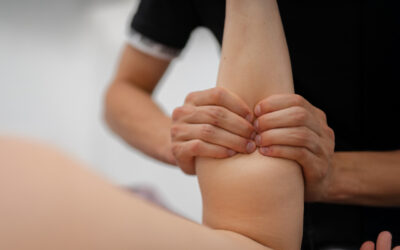
However, it is a valuable recovery and maintenance tool. By reducing soreness, improving flexibility, and managing muscle tension and imbalances, massage can complement training and reduce injury risk.
Timing matters. Massage can be particularly useful after intense workouts, long sessions, or during periods of heavy training load.
Massage should be part of a broader injury prevention strategy that includes proper training progression, strength and mobility work, correct biomechanics, and sufficient rest.
Practical Recommendations: Integrating Sports Massage Into Your Routine
Frequency — Consider a maintenance massage once a month up to once a week if you train regularly. Increase frequency during heavy training periods or after races and long sessions.
Communication — Inform your therapist about your training volume, areas of soreness, and any tight or overused muscles so the session can be tailored to your needs.
Self-Care — Use foam rolling, stretching, and mobility work between sessions to maintain muscle elasticity and prevent tightness.
Hydration and Recovery — Stay hydrated and support recovery with proper nutrition and adequate sleep, as recovery is influenced by multiple factors.
Warning Signs — If you experience persistent pain, swelling, or difficulty moving, seek professional assessment. Massage can help, but more serious injuries may require physiotherapy or medical treatment.
Why This Balanced, Evidence-Based Approach Matters
Many amateur cyclists and runners rely on the mindset that more training automatically leads to better results. However, both scientific evidence and clinical experience show that recovery and injury prevention are just as important as training itself.
Overuse injuries affecting joints, tendons, and soft tissues can interrupt progress, cause long-term damage, and lead to chronic conditions.
By taking a holistic approach that includes proper equipment, good biomechanics, gradual training progression, strength and mobility work, and recovery strategies such as sports massage, athletes can improve resilience and sustain performance over time.
The small but meaningful benefits of massage, such as reduced soreness, improved flexibility, and better soft tissue maintenance, help maintain consistency in training. Over months and years, this consistency plays a major role in improving performance and reducing injury risk.

0 Comments